

Core Mission Structure
Each level in The Enforcer: Chapter Two presents a distinct set of objectives that require thoughtful preparation. Instead of relying on fast reactions, players must assess the environment, identify key targets, and decide the best order of actions. The game encourages a methodical approach where rushing leads to setbacks. Missions often involve navigating through spaces with multiple points of interest, and success depends on understanding the layout and timing of each encounter. The design rewards players who take time to observe before acting, making each level feel like a small puzzle to solve rather than a test of speed.
Resource Management Mechanics
A central element of the gameplay involves monitoring a health meter that depletes when mistakes occur. Players must locate opportunities to restore this resource, adding a layer of risk assessment to every decision. Additionally, the equipment used by the character requires periodic reloading, which introduces a timing element. Knowing when to pause and prepare versus when to push forward becomes a key skill. This system prevents mindless play and forces players to think several steps ahead, balancing offense with self-preservation.
Progression and Adaptability
As players advance through the campaign, new types of objectives and environmental layouts appear. The game does not simply increase difficulty by adding more targets; instead, it introduces scenarios that demand different strategies. Some missions may require stealthy movement, while others call for coordinated sequences of actions. This variety keeps the experience fresh and encourages players to adapt their approach. The online arcade format allows for both short sessions and longer play periods, making it easy to fit a few missions into a busy schedule or settle in for an extended session.
Accessibility and Control Design
The controls are intentionally straightforward, allowing new players to start without a steep learning curve. Basic movements and interactions are mapped to simple inputs, so the focus remains on strategy rather than complex button combinations. This design choice makes the game approachable for younger players or those less familiar with action games, while still offering enough depth to engage experienced gamers. The interface provides clear feedback on health status and mission progress, helping players stay informed without overwhelming them with information.
Visual and Audio Atmosphere
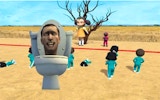
The game presents a clean, stylized visual aesthetic that supports the tactical gameplay. Environments are distinct enough to provide clear landmarks for planning, and character animations convey important cues about the state of play. The audio design uses subtle sound effects to indicate successful actions or approaching threats, reinforcing the need for attention without becoming distracting. This combination creates an immersive atmosphere that complements the methodical pace of the game.








Comments
0 comments